Propagating Hybrid Poplar Trees
(Long Cuttings below)
|
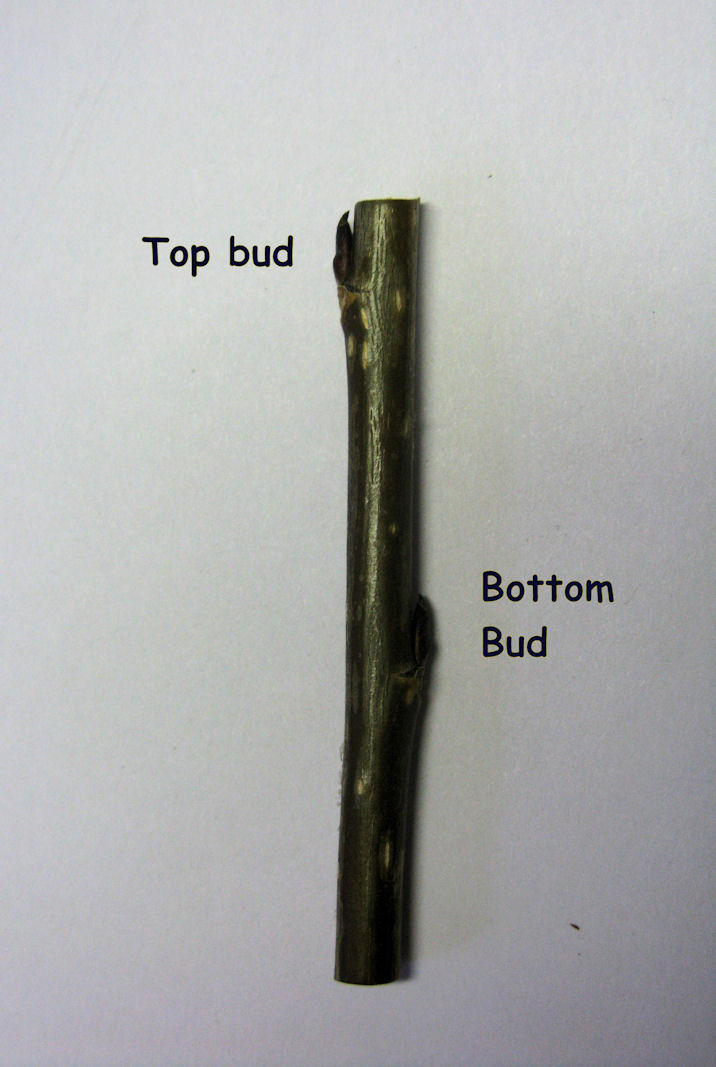
I have been asked this question many times. The information here is completely free and it works. If you have one, just one hybrid poplar tree, you can have at least 50 of them by this time next year and over 3 million by the end of 4 years. Impossible? Not if you follow my instructions. Wait until February to take any cuttings. I know, it will be cold, rainy, probably snowing, windy… February is the best time to do it. October: Prepare a small bed about 4 ft. by 2 ft., till it until the soil is fluffy, then cover it with black plastic and tuck in the ends with a spade. You can cover that with some cardboard in case it snows, you will be able to find it and use it. Get some rooting hormone from lowes or home depot, you can also get it down below. February: Cut your tree down with a chainsaw. Don’t want to do it, then forget about the 3 million trees. After you cut it down , you cut off the branches. Separate them by thicknesses, that will make it easier to work with. If your tree is old, only the end of the branches will be usable. If a 2 year old tree, you will use the whole thing. Old trees have buds in every branch but those buds are concentrated at the end of the branches only, so, that is the only part of the branches you can use for cuttings. Start with the thinnest branches, make sure they have buds. They are spaced about 1.5 inches apart. Make cuttings so they that have 2 buds each. Again, young trees will have many buds and you can make many cuttings. The top bud is the one that is going to grow, the other one will be underground. This is what a cutting should look like When you are done with the thin branches, continue with thicker branches, they will be harder to cut and the buds will be spaced farther apart. Finish with the largest branches, probably 1 inch thick, those you cut with the chain saw, just make sure each has at least 2 buds.. After you have cut the whole tree in little pieces, take them all to where your prepared bed is. Dip the bottom of each cutting in the rooting hormone, and plunge it thru the plastic so only the very top of the cutting shows. Do this with all your cuttings, keeping them about 4 inches apart. If the soil is too cold… a drill will help you but be careful the bit does not grab the plastic, it would make a mess. Water the whole thing, and then leave it alone until April. Very thick branches you can prep those differently, leave them any length you want and put them in the ground where their permanent location will be. Make sure they are at least 8 inches deep, don't forget the hormodin, backfill and support with a bamboo cane if needed so they do not sway with the wind. Don’t want to plant them in the ground? You can put them in individual containers, just be sure you don’t allow them to dry out completely. Leave them outside. Another twist: Instead of cutting the tree in February, wait until all the leaves of the tree fall off in November. Cut it down at this time and proceed with the instructions above. By April, all your trees will start coming up. You can transplant them as soon as you can dig them out, and transplant them so they are 6 ft. apart. By the end of the year, those trees will be about 10-12 ft. tall. Now you have a lot of work to do in February or when the trees go dormant… if you had 50 trees, now you will have 2500 cuttings to plant. follow the idea? 125000 next yea. Going back to your original tree, it will coppice and will make probably 300 little branches, choose one and remove all others, you can even plant them, many will grow.
|
Working with long Cuttings
|
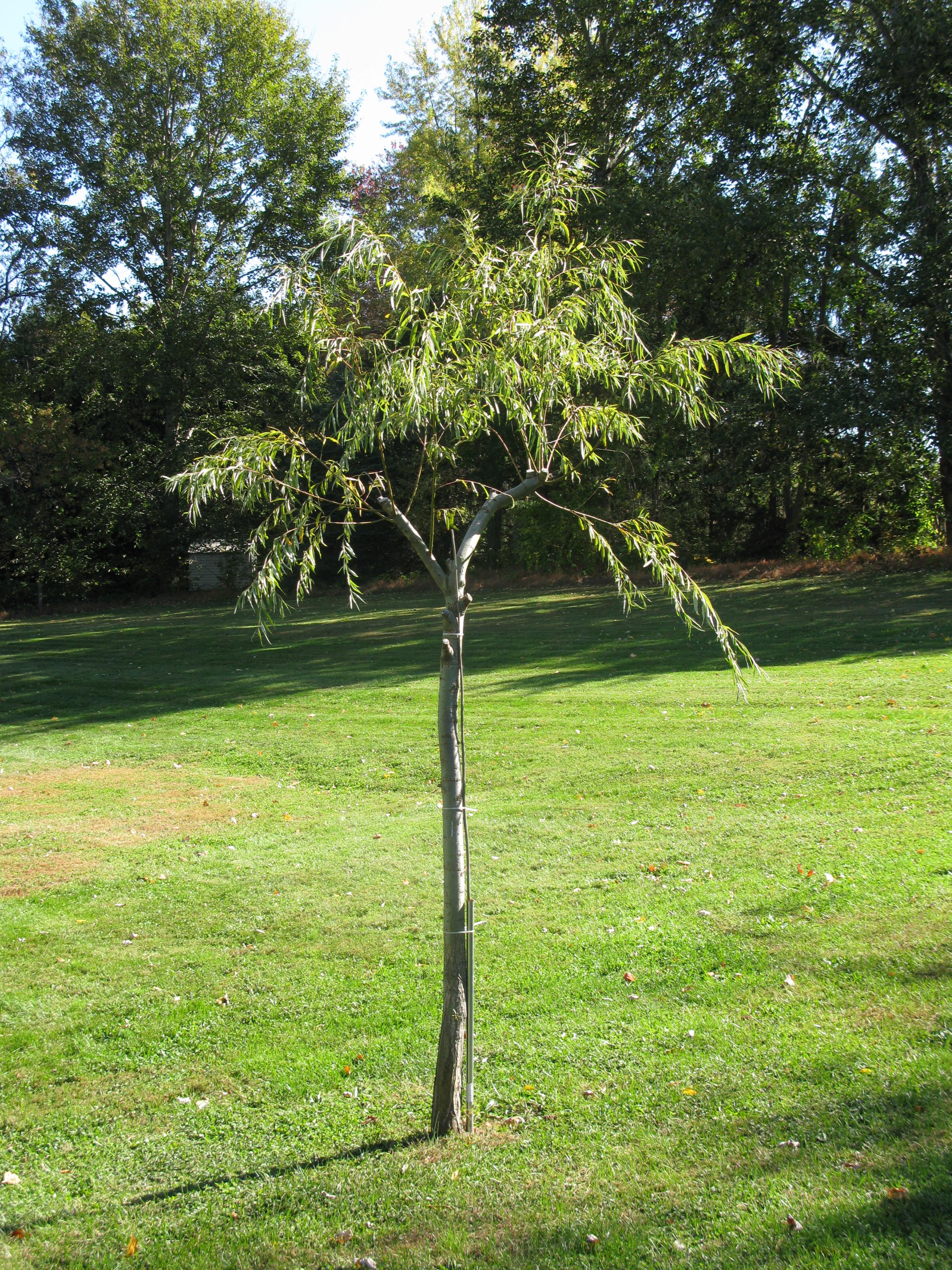
Planting long cuttings is like planting instant trees. Within a month after they start growing you will have branches and leaves!. The cuttings must be planted at least 5 inches deep, very soon after you receive them. The soil in February is frozen and there is no way for you to dig anything, then all holes must be dug when the weather is nice. October is a perfect time for that. The cuttings are 1/2" in diameter or less. After you dig the holes, put a bamboo cane in them and cover them so they do not get filled with ice or snow. The reason for this is so you can locate the holes in February if you have a couple of feet of snow. Another item that you should have is enough top soil so you can back fill the holes once the cuttings are planted. This soil should not be frozen (keep it in the house) All these preparations should be done before the ground freezes. Scratch the lower 4" of the cutting with a blade. You will see light green and dark green. If you see tan, you scratched too deep. Dust that area with Hormodin or any other rooting hormone. Carefully put the cutting in the hole, backfill and water (I know it will freeze in a few minutes but do it anyway. If the hole is small enough, the cutting will be snug and no other support will be needed, otherwise you will need more support like a bamboo cane driven in the ground parallel with the cutting (you can do this do this in October also, when you dig the hole) and attached to the cutting with cable ties or tape. When the cutting starts growing in April, all the buds on it will start growing at the same time. Also roots will be formed at the bottom of the cutting. This root system is very small at the beginning, and inadequate for all the branches that are growing topside and the tree may die if too many branches are allowed to grow, so, remove some of the lower branches you are growing a tree anyway. Does this method work? This is what I did in 2008: My neighbor came to let me know that 3 of my weeping willows were in his property. He had called surveyors and they were putting little pink flags all over the property line. 3 of my willows were indeed 2 ft. inside his property. That meant I had to do something. I told my neighbor I would move them when they were dormant. I then dug 3 holes about 2 ft. deep and 3 inches in diameter( in my property of course). I stuck a bamboo cane in each hole so I could find them in case they were covered with snow when I was ready to use them. I waited until the middle of February, got my Chainsaw and cut all 3 trees down. I kept the Chainsaw as close as possible to the ground. Then I removed all the branches from the trees so that at the end all I had was 3 long sticks about 12 ft. long. and about 3" in diameter. I scratched the bottom of these cuttings and dusted rooting hormone to the wounded areas and dropped them in the holes. I then packed soil back and had to support them so they would not move at all, for that, I drove pipes in the ground parallel to the "sticks" - and used cable ties to keep them from moving or swaying. I watered them well. The trees started making a lot of growth by early April. Many branches were removed, specially any that grew below 8 ft. All others on top were thinned so there were only about 4 branches. As the trees grew, I allowed more branches to develop and today, (October 2012) the branches touch the ground. All 3 trees are alive and growing. I did this with a weeping willow but you can also do it with most poplars and many willows. Below is a photo of one of my willows taken a couple of years back. My willows are about 25 ft. tall. After the freak freeze in early 2013 in Pennsylvania, when most of us lost many trees, the bark on my willow trees separated from the wood, and in 2 of them the damage was bad enough to kill them. They have been replaced with branches from the other trees, now I have 8 trees, tall and short. Eventually they will all look like were planted at the same time.
| ||||||||||||||||||||||||||